
"grow in Ethiopia"
7000 article(s) found

Is there any special flavor of Ethiopian Sidamo coffee? The smell of coffee producing areas in Ethiopia
Professional coffee knowledge exchange more coffee bean information please follow the coffee workshop (Wechat official account cafe_style) what is the special flavor of Ethiopian Sidamo coffee? What are the taste characteristics of Ethiopian coffee producing areas? The Guji producing area in southern Ethiopia is adjacent to the areas of Sidamo and Gedeo, and there are towering mountains.

Which country is Arabica? The birthplace of Arabica coffee-Ethiopia Ethiopia!
Professional coffee knowledge exchange more coffee bean information please follow coffee workshop (Wechat official account cafe_style) Arabica wants to know coffee and its cultural story, you have to know the hometown of individual coffee Arabica (Arabica) coffee beans-Ethiopia, in addition to bringing you carefully selected Ethiopia-Yega Sheffield G1 coffee beans and linked

"acidity", "quality" and "flavor" of Ethiopia's Bancimagi Coffee Manor
Ethiopia is the birthplace of the famous Arabica coffee beans, and people have always maintained the tradition of harvesting wild coffee beans. The coffee garden at an altitude of more than 1500 meters has formed a unique coffee style after thousands of years of evolution and adaptation. Ethiopian coffee grown in the natural wild environment is called wilderness coffee, which retains the most primitive and natural taste of coffee beans.

Sidamo, Ethiopia Sidamo Guji Shakiso Shakisso sun
The coffee flavor of Sidamo is very diverse, because of the different soil composition, regional microclimate and countless native coffee varieties, the coffee produced in each urban area has obvious differences and characteristics. Sidamo producing area (Sidama) is located in the south of Ethiopia. The industry here is mainly agricultural, and the coffee growing area is located around the Great Rift Valley (Great Rift Valley) of East Africa.

Ethiopian Coffee Estate Fine Coffee Bean Planting Geographical Location Gas
In December 1994, the Constitution of the Federal Democratic Republic of Ethiopia was enacted. The constitution stipulates that Ethiopia will adopt a federal system and a parliamentary cabinet system after the election, with a term of office of five years. National elections were held in May 1995. On August 22, the Federal Democratic Republic of Ethiopia was established. Meles became Prime Minister as Chairman of the Majority Party in the House of People's Representatives. On May 14, 2000, Ethiopia held a national meeting.

Treatment method of grinding degree and baking degree of boutique coffee beans in aromatic Ethiopian coffee manor
Ethiopia has many world-famous types of coffee. Some of the main types of coffee are famous for their unique aroma and flavor, including the following: Limu coffee grows in areas ranging from 1400 to 2000 meters above sea level. After wet processing, this kind of coffee has a rich aroma, a full fruit with moderate acidity and alkalinity, and a high quality wine.

Ethiopia Sidamo Sidamo Guji Shakiso coffee bean agent
The coffee flavor of Sidamo is very diverse, because of the different soil composition, regional microclimate and countless native coffee varieties, the coffee produced in each urban area has obvious differences and characteristics. Sidamo producing area (Sidama) is located in the south of Ethiopia. The industry here is mainly agricultural, and the coffee growing area is located around the Great Rift Valley (Great Rift Valley) of East Africa.

The Story of Rose Summer returning Home Rose Summer Coffee beans at the Manor of Rose Summer Village in Ethiopia in Adam Overton
Professional baristas Please follow the Coffee Workshop (official Wechat account cafe_style) before Adam Overton met Willem Boot, Adam Overton had only a vague dream to buy a farm in Ethiopia and grow the world's most delicious coffee rose (Geisha). Why Ethiopia? Because it is said that Ethiopia is the original place of Rose Summer.
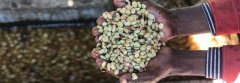
Differences in flavor and taste of coffee stories from single producing areas in Ethiopia's best coffee bean producing areas
Until 1995, Ethiopia was divided into

Blueberry wine flavor Ethiopia Sidamo Sidamo Guji Shakiso Shakisso
The main coffee producing countries in Africa are Kenya, Ethiopia, Angola, Tanzania, Zambia, Zimbabwe and so on. Kenya grows high-quality Arabica coffee beans, which absorb almost the essence of coffee cherries, with a slightly sour, thick aroma, and are very popular among Europeans, especially in Britain. Kenyan Coffee surpasses Costa Rica.

An introduction to the coffee industry in Ethiopia
Ethiopia is one of the major producers of Arabica coffee in Africa, producing the best Arabian coffee in the world. It is said that coffee was first discovered by shepherds in Essekafa, and the name of coffee evolved from Kafa, so Essex is still the hometown of coffee. The geographical environment of coffee production and processing is very suitable for coffee growth. Coffee is mainly cultivated.
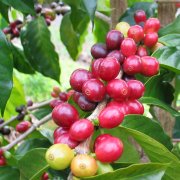
Boutique coffee Ethiopia Sidamo Sidamo Guji Shakiso Shakisso sun
The coffee flavor of Sidamo is very diverse, because of the different soil composition, regional microclimate and countless native coffee varieties, the coffee produced in each urban area has obvious differences and characteristics. Sidamo producing area (Sidama) is located in the south of Ethiopia. The industry here is mainly agricultural, and the coffee growing area is located around the Great Rift Valley (Great Rift Valley) of East Africa.
What are the world-famous Ethiopian coffee? what coffee does Ethiopia have?
The world-famous Ethiopian coffee is mainly as follows: 1. Limu coffee grows between 1400 meters and 2000 meters above sea level. Wash the coffee. Excellent quality, with strong nut aromas, suitable acidity, with the intensity of wine. The annual output is 29000 tons. 2. Jima Coffee grows between 1400 and 1800 meters above sea level. Sun-baked coffee. Slightly sour, with nutty aromas and a long finish. Annual output

Ethiopia Sidamoguji Fruit Wine Coffee Bean introduction Sidamo Coffee
Professional coffee knowledge exchange more coffee bean information please follow the coffee workshop (Wechat official account cafe_style) the Guji producing area of southern Ethiopia is adjacent to the Sidamo and Gedeo areas, the territory is straddled by towering mountains, highlands, highlands, valleys and plains, with diverse topography. The geology of this area belongs to volcanic soil with rich nutrients and good drainage.

A brief introduction to the planting environment in Shaqiso producing area of Ethiopia in the field of fine coffee
A brief introduction to the growing environment of boutique coffee in Shaquiso, Ethiopia (Shakisso), located in the southern part of Guji and Oromia, close to Sidama and Gedeo. There are many pits in this area, which were used to mine gold in the early days, so there are many potholes in this coffee growing area. This allows people to walk between coffee growing areas

Fragrant Ethiopian Coffee Manor Fine Coffee Bean Flavor, Taste and aroma description, Jane
The coffee producing areas of Ethiopia are Sidamo, Harald and Sidamo, Harrar and Yirgacheffe. Sidamo and Harrar are provinces and divisions. Sidamo is located in the south of Ethiopia bordering Kenya, and Harrar borders Somalia in the east of Ethiopia. Although Yirgacheffe is a community in the Sidamo region, due to soil composition and water content and other reasons.
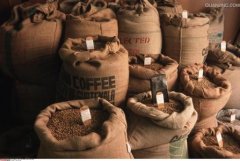
A brief introduction to the treatment method of grinding degree and baking degree of Yega Snow Fine Coffee beans in Ethiopia
Ethiopian people are addicted to coffee. In 2003, domestic consumption accounted for 42.3% of the total output, with a per capita consumption of 3 kg. But more than half of the coffee produced each year is used for export to earn foreign exchange. The main exporters include the United States, Italy, the United Kingdom, Sweden, Norway, Greece, France, Belgium, Germany and Australia. Before 1974, the right to produce, process and trade coffee

Introduction to the Flavor and Taste of Coffee in Xidamo Shachiso area of Ethiopia
Ethiopia is rectangular, with a ratio of length to width of 3:2. From top to bottom, it is composed of green, yellow and red parallel equal horizontal rectangles, with the national emblem in the middle of the flag. Since the end of the 19th century, Ethiopia began to use the green, yellow and red cross-striped national flag. In modern history, Ethiopia is the first African country to join the forest of free nations. [8] to this century

An introduction to the unique soft floral aroma of Ethiopia's Yega Snow Aduoda Coffee growing Environment
Ethiopia is located at 6 ~ 9 degrees north latitude and 34 ~ 40 degrees east longitude. It is located in the center of the Horn of Africa and is a landlocked country. It is bordered by Djibouti and Somalia to the east, Sudan to the northwest, Eritrea to the north and Kenya to the south. [5] there are mainly mountain plateaus in Ethiopia, and most of them belong to the Ethiopian plateau. The central and western regions are the main body of the plateau, accounting for the whole territory.

Introduction to the flavor of Ethiopia's Sidamasha Chiso coffee growing environment with clean taste and no miscellaneous feeling.
In February 1977, Lieutenant Colonel Mengistu Haier Maryam (MENGISTU HAILE MARIAM) launched a military coup and served as Chairman of the interim military Administrative Council and head of State. In 1979, the Ethiopian Labor people's Party Organization Committee, dominated by soldiers, was established to implement an one-party system. In 1984, the Ethiopian Workers' Party was formed according to the Soviet Communist Party model. Mengistu, September 1987